

From the desk of Daniel “Pinecone” Verona.
In the past I have written of cars so underwhelming that they end up being great fun to drive. Some others follow this path with no positive impressions at all, and a certain, rare group have so many kinds of negative qualities that they are immensely hard to judge. Enter the poor man’s Eastern Bloc Ferrari.
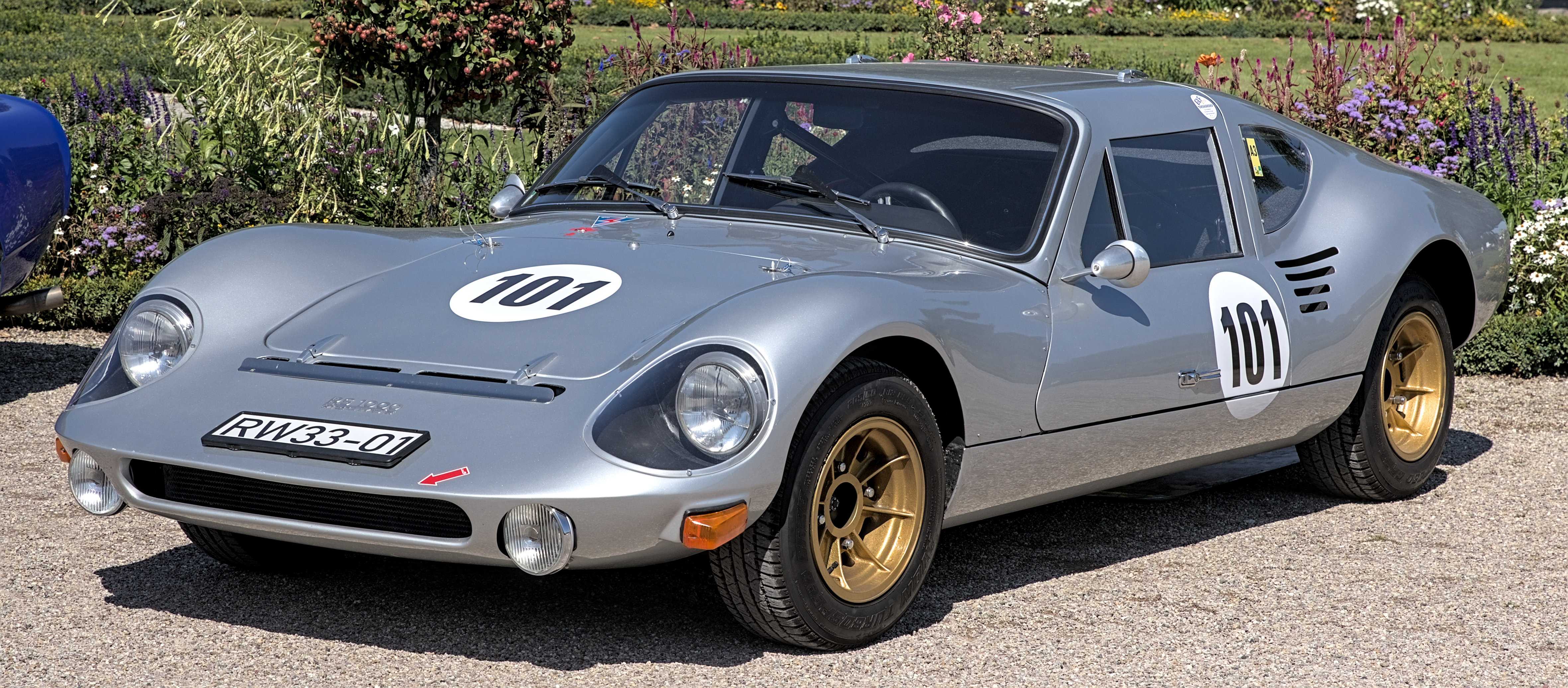
This is the Melkus RS1000.
It is a car that falls into that special triple-overlap venn diagram of rare, terrible, and highly sought after by a certain delusional group (which, for this car, I am a dedicated member of). MSIMA’s own Comrade Zdzislaw caught me writing this article, and yelled something about the RS being a “crappy Commie attempt at a sports car” and “ugly with a shit engine”.
He is entirely correct, and it remains one of my favorite classic sports cars.
So, where did this thing come from anyway? Honestly, who cares, but you’re paying to be in this class so sit your ass down and listen.

The producer of this machine was named for its founder, East German racing driver Heinz Melkus, sometime in the 1950s, and managed to produce all one (1) model of RS cars from 1959 to 1986. Like many cars from this era and region, it changed very little over its long production run, and used countless borrowed parts from related companies. Notably Wartburgs and the Trabants, both known for their astounding build quality and world-beating performance. Until Tesla came along, the Melkus might have been the cheapest way someone could get gullwing doors in their life.

The styling is definitive of the era’s mightier racing cars, as if they were all blended together and diluted with skim milk. Under the fiberglass body, you will find a frame very similar to a Volkswagen Beetle, or other ladder-frame people’s car, that you could likely build in your garage with parts from Home Depot. What this means, however, is the Melkus is light. As strange as the golf cart sized wheels may look, little is needed for a car with sub-Miata mass and volume. Such an eye-catching car deserves an ear-catching sound. In this case, that of a vintage moped or snowmobile.
I firmly believe the reasoning for 2-stroke power in the Melkus to be that having an engine that sounds like it’s turning twice its actual RPM will distract you from the fact that this race car has a top speed of 102 MPH. Unlatch the engine cover (the entire rear end of the car) and feast your eyes on the toaster-size block of aluminum that is the Wartburg 998cc 3-cylinder. This mid-mounted oil burner used triple carbs and a single exhaust expansion chamber, all very advanced technology compared to the stock variant. 2-strokes are notorious for high power numbers at absurd engine speeds, and these upgrades amount to a supercar-slaying 68HP at 4500 RPM. This is powering a car of only 1500 lbs, but, mind you, Kawasaki’s similarly-configured H2 motorcycle was making higher power with 25% less displacement at the time. In short, the Melkus’ specs are only impressive when “yes, but-” is repeated enough ways.
Now I think we have established exactly how much the RS1000 sucks, but let’s examine how its flaws make it notable. I spoke extensively about the joys of “bad” machines in my article In The Defense of Simple Cars, and the Melkus is subject to many of the same terms. The standards of design and political circumstances are far from their state in this car’s time. By extension of this, you cannot make such a bad “sports car” in today’s world. The bar has been raised so far by our engineers’ best that there is no incentive for any group of people to produce such a thing. From here the Melkus derives its uniqueness, and for that I have taken such a liking to it. And by the sum of its features, or lack thereof, this odd little machine looks like an absolute joy to drive.
Leave a Reply