

Share this post with your friends to mis-shift into their asses too!
Stellantis’ newest parts bin car has quickly gained notoriety in the automotive scene. This entity, known affectionately as the Dodge Horny, Alfa Romeo Toenail, or the worst-car-my-ass-has-sat-in-in-2023 has been doing numbers since its release. Not so much in the sales department, with overall brand growth at -9% compared to this quarter last year, but marking up this plasticky hatchback any further ought to swiftly correct that.

But numbers never tell the whole story. As I have written previously, Dodge relies on their heritage-based brand image as much as they do on government bailouts and fuel economy loopholes.
The PT in their Cruiser does stand for Petrol Tax after all.
Wow I love Dodge, they should send me an indigo blue 6-speed 2023 Challenger R/T. Onto the news now. MSIMA’s deep-undercover Stellantis agents have overheard company gossip discussing how to better apply the Dodge ethos to their newest creation. One theory, known as “rebel mode” was proposed by a member of the software team in a mock-pitch. A transcript was included via audio recording.
“Think about it. The Viper, the Hellcat, the Omni, and others were all market disruptors. That’s what people expect from our work, a rebellious spirit of disruption, right?”
Heads nodded.
“So here’s what I’m thinking, an optional-extra ‘rebel mode’ for the Hornet lineup that will bring disruption, and a surprising flare, to everyday driving that only a Dodge product can provide.”
Without condemning you to read the rest of this moron’s speech, the proposed “rebel mode” would be an AI-driven internal software that randomly cuts features of the car’s operation based on driving conditions or at random intervals. Another team member later ran the numbers, and estimated this system would cut overall Hornet reliability in excess of 50%.
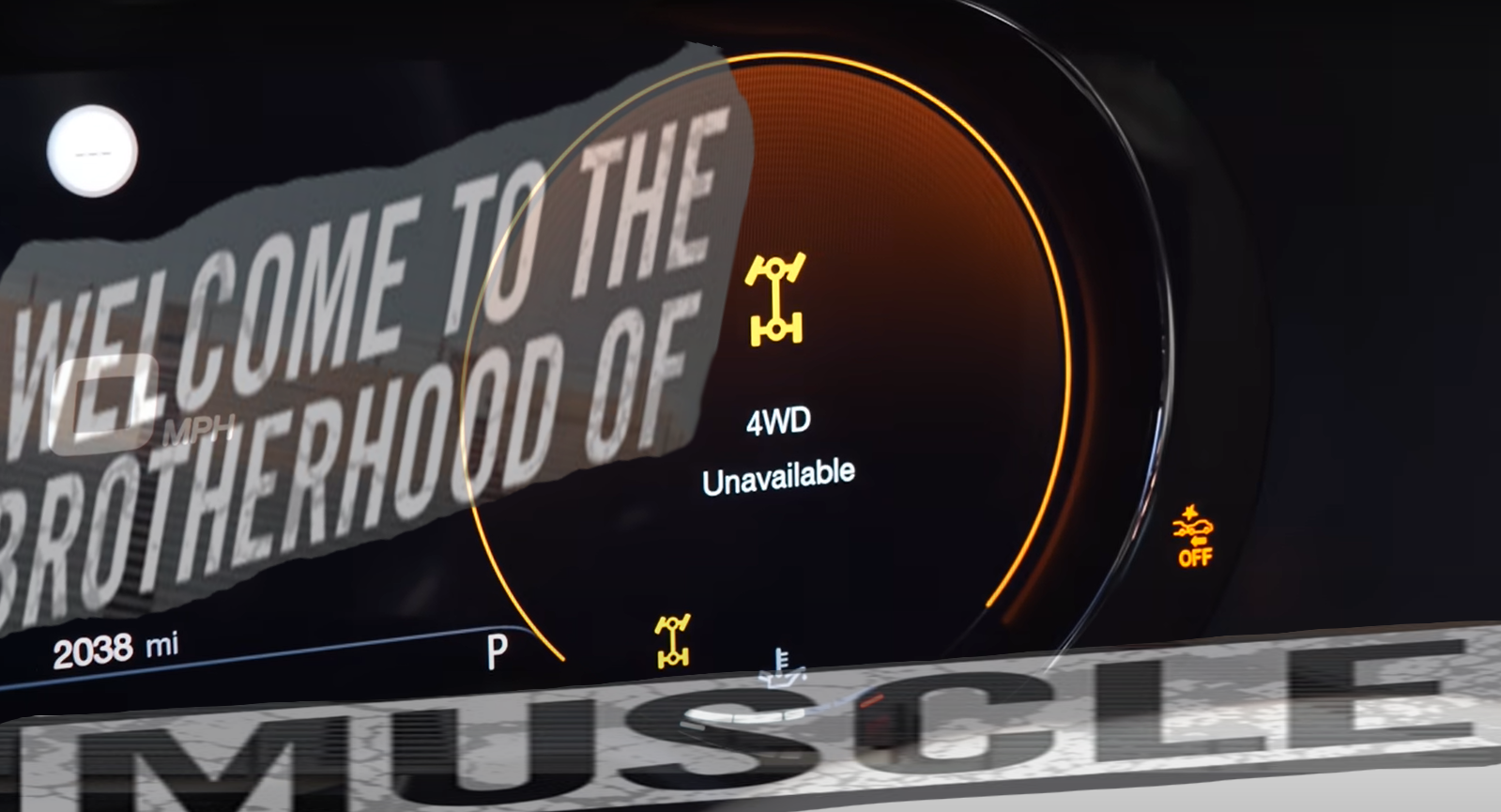
This figure was warmly received, and thought to provide a driving experience much more befitting of a Dodge product. The system would tie into all existing OEM warning lights and vehicle systems, as shown here, for greater variety in function.

At the time of our report, it was estimated this system could be developed for release as early as 2026, and cost the company less than $24 million. An attempt was made to pass the idea to Stellantis higher-ups, pending review, and it was not clear if Alfa Romeo has yet to be included in the discussion. MSIMA will be standing by with updates on this brilliant innovation.
Leave a Reply